
Hillview Solutions / E-commerce & Digital Platforms
Digital Commerce Built Around the Customer Journey
Online commerce depends on more than a storefront. Catalog structure, checkout flow, data handling and customer experience all shape the solution. This service area includes e-commerce platforms, marketplaces, SaaS and related digital business tools.
A
Understanding the Requirement
An organization exploring online commerce may be launching its first store, moving away from a platform that limits growth, or opening a B2B ordering channel for existing trade customers. In each case the storefront is only the visible layer; product data, pricing rules, inventory synchronization, sales tax and fulfillment all sit behind it.
Key decisions include whether to use a hosted commerce platform, an open-source system or a custom build; how payments and taxes are handled across states or countries; and who will maintain content after launch. Budget, expected order volume and integration with existing accounting or warehouse systems usually narrow the options quickly.
B
What This Area Can Cover
- 01Online storefronts
- A storefront project covers catalog presentation, search, product pages, cart and checkout. Inputs include product data, imagery, brand guidelines and payment preferences. Platform licensing, payment processing and hosting are usually third-party costs outside the build itself.
- 02Marketplace concepts
- Multi-vendor marketplaces add seller onboarding, commission logic, dispute handling and payouts. These models bring additional legal and payment-provider requirements, so early discussion focuses on feasibility and responsibilities before features.
- 03SaaS products
- Subscription software needs account management, billing, permissions and dependable uptime. Scope can start with a minimum viable product and expand in phases. Ownership of intellectual property and hosting accounts should be settled at the outset.
- 04Mobile commerce
- Shoppers increasingly browse and buy on phones. Mobile commerce may mean a responsive storefront, a progressive web app or a native application, each with different cost and maintenance implications. App-store review timelines can affect launch planning.
- 05Platform maintenance
- After launch, platforms need updates, extension management, performance monitoring and content changes. A maintenance arrangement should clarify what counts as routine work and what is treated as new development.
- 06User journeys
- Mapping how different customers find, compare and buy products shows where friction occurs. Journey work uses analytics, customer feedback and usability testing where available, and informs both design and content decisions.
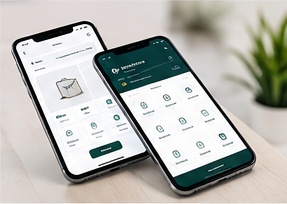
Commerce on Every Screen
Customers move between phone, tablet and desktop during a single purchase decision. A consistent experience across devices supports trust and reduces abandoned carts.
C
From Enquiry to Defined Scope
A proposed engagement pathway. Each enquiry is assessed individually, and not every request will lead to an engagement.
- 01
Requirements review
Your product range, sales channels, current platform and target customers are reviewed to understand the commercial goal.
- 02
Relevant options
Hosted, open-source and custom approaches are compared against your budget, timeline and integration needs.
- 03
Commercial & technical clarification
Payment providers, tax handling, data migration, content responsibilities and third-party costs are clarified.
- 04
Agreed next steps
A phased scope and written engagement terms are prepared where the requirement is a good fit.
D
Where It May Apply
Illustrative, hypothetical scenarios. They are not descriptions of past clients or projects.
Retail
A retailer with physical stores might look at an online channel that shares inventory with its point-of-sale system to avoid overselling.
Wholesale
A wholesaler could consider a password-protected ordering portal with customer-specific pricing and quick reorder options.
Service subscriptions
A business offering recurring services may want subscription billing, account self-service and renewal reminders.
B2B portals
A manufacturer selling through dealers might explore a portal for quotes, order tracking and technical documentation.
F
What to Include in Your Enquiry
- Intended use or application
- Geography and destination market
- Timeline and key dates
- Quantities or specifications, where relevant
- The service stage you need support with
- Any regulatory or contractual constraints you are aware of
For commerce projects, include approximate catalog size, current sales channels, your existing platform (if any) and preferred payment providers.
Next step
Discuss E-commerce & Digital Platforms
Share the essentials of your requirement, including scope, geography and timing. Availability, terms and any compliance requirements are confirmed through direct discussion.